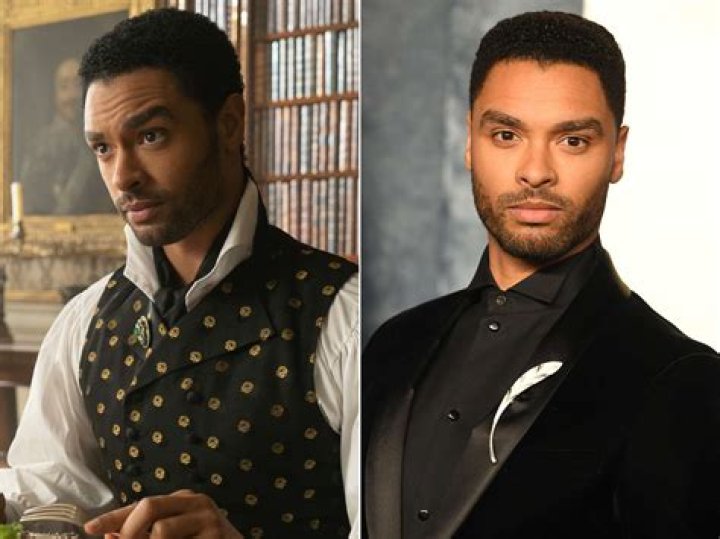
Styling a bowl cut involves shaping the hair into a uniform, rounded shape, often with blunt bangs. It can be a versatile and low-maintenance haircut, suitable for various face shapes and hair textures.
The bowl cut has gained popularity throughout history, dating back to ancient times. In recent years, it has re-emerged as a fashion statement, embraced by individuals seeking a bold and distinctive look.
To achieve a bowl cut, the hair is typically cut to a short, even length around the head. The bangs are cut straight across the forehead, creating a blunt and geometric effect. Styling options include adding texture with a razor or creating a side-swept fringe for a more modern take.
How to Style a Bowl Cut
Styling a bowl cut involves creating a uniform, rounded shape with blunt bangs, offering versatility and low maintenance. To achieve this look, consider the following key aspects:
- Length: Short, even length around the head
- Bangs: Straight, blunt bangs across the forehead
- Shape: Rounded, geometric silhouette
- Texture: Smooth, blunt ends or textured with a razor
- Volume: Can be styled with volume or kept sleek
- Maintenance: Regular trims to maintain shape
- Styling options: Side-swept fringe, layering
- Face shapes: Suitable for various face shapes
- Hair types: Can be adapted to different hair textures
- Styling products: Pomades, gels, or waxes for shaping and control
These aspects play a crucial role in achieving and maintaining a stylish bowl cut. The uniform length and blunt bangs create the distinctive shape, while texture and volume can be adjusted to suit individual preferences. Regular trims are essential to keep the cut in shape, and styling products can help define the style and add control. Ultimately, the bowl cut is a versatile and low-maintenance haircut that can be adapted to complement various face shapes and hair types.
Length
In the context of styling a bowl cut, the length of the hair plays a critical role in achieving the desired shape and effect. A short, even length around the head is essential for creating the signature uniform and rounded silhouette. This precise cut ensures that the hair falls evenly in all directions, contributing to the iconic bowl-like shape.
The short length of the hair makes it easier to maintain the cut's shape. Regular trims are necessary to prevent the hair from growing out and losing its distinctive form. The even length around the head also allows for versatility in styling. It can be styled with volume for a more voluminous look or kept sleek and close to the head for a more polished effect.
Understanding the importance of length in styling a bowl cut empowers individuals to maintain and enhance their desired look. By adhering to the short, even length, they can effectively preserve the cut's shape and achieve the intended aesthetic.
Bangs
In the context of styling a bowl cut, the bangs play a crucial role in defining the overall shape and aesthetic. Straight, blunt bangs cut across the forehead are a defining characteristic of the bowl cut, contributing significantly to its distinctive appearance.
The bluntness of the bangs creates a clean, geometric line that emphasizes the rounded shape of the cut. This line frames the face and draws attention to the eyes, creating a bold and striking look. The straightness of the bangs also ensures that they fall evenly across the forehead, contributing to the uniform and symmetrical appearance of the bowl cut.
Styling the bangs with a straight, blunt cut requires precision and attention to detail. Barbers and stylists typically use sharp scissors to create a clean line, ensuring that the bangs are even and free of any unevenness. Regular trims are also essential to maintain the shape and prevent the bangs from growing out and losing their intended effect.
Understanding the connection between straight, blunt bangs and the overall aesthetic of a bowl cut is essential for achieving the desired look. By adhering to this specific style of bangs, individuals can effectively capture the essence of the bowl cut and achieve the intended impact.
Shape
In the context of styling a bowl cut, the shape plays a critical role in achieving the desired aesthetic and effect. The rounded, geometric silhouette is a defining characteristic of the bowl cut, contributing significantly to its distinctive appearance and overall impact.
The rounded shape is created by cutting the hair to an even length around the head, with the bangs cut straight across the forehead. This creates a uniform and symmetrical look that emphasizes the circular form of the cut. The geometric aspect of the shape is derived from the clean lines and angles created by the straight bangs and the even length of the hair.
The rounded, geometric silhouette of the bowl cut requires precision and attention to detail during the cutting process. Barbers and stylists typically use sharp scissors to create clean lines and ensure that the shape is symmetrical and balanced. Regular trims are also essential to maintain the shape and prevent the hair from growing out and losing its intended effect.
Understanding the connection between the rounded, geometric silhouette and the overall aesthetic of a bowl cut is essential for achieving the desired look. By adhering to this specific shape, individuals can effectively capture the essence of the bowl cut and achieve the intended impact.
Texture
Texture plays a vital role in styling a bowl cut, as it can enhance the cut's shape and overall aesthetic. There are two main texturing options for a bowl cut: smooth, blunt ends and textured ends created with a razor.
- Smooth, blunt ends: This texture creates a clean and polished look, emphasizing the geometric shape of the cut. The blunt ends are achieved by cutting the hair straight across, without any layering or tapering. This technique results in a uniform length and a sharp, defined edge.
- Textured ends: This texture adds movement and interest to the bowl cut, creating a more casual and undone look. The textured ends are created by using a razor to thin out the hair, creating a feathered or choppy effect. This technique reduces the weight of the hair, making it appear lighter and more voluminous.
The choice between smooth, blunt ends and textured ends depends on the desired style and hair type. Smooth, blunt ends are best suited for individuals who want a clean and polished look, while textured ends are ideal for those who want a more relaxed and effortless style. Additionally, hair type plays a role in determining the most suitable texture. Thicker hair types may benefit from textured ends to reduce bulk, while finer hair types may prefer smooth, blunt ends to create the illusion of thicker hair.
Volume
Volume is a crucial aspect of styling a bowl cut, as it can significantly alter the overall look and feel of the haircut. The versatility of the bowl cut allows it to be styled with volume for a more dramatic and eye-catching effect, or kept sleek for a more polished and understated appearance.
Styling a bowl cut with volume can create an illusion of fullness and thickness, making it a suitable option for individuals with fine or thin hair. To achieve volume, barbers and stylists typically use layering techniques or blow-drying the hair upside down. Additionally, volumizing products such as mousses or root lifters can be applied to the hair to enhance volume and create a more lifted look.
Conversely, keeping a bowl cut sleek involves using techniques that minimize volume and create a smooth, polished finish. This can be achieved by using a flat iron or blow-drying the hair with a smoothing brush. Styling products such as pomades or gels can also be applied to the hair to control frizz and keep it in place.
The choice between styling a bowl cut with volume or keeping it sleek ultimately depends on personal preference and the desired aesthetic. Both styles can complement different face shapes and hair types, making the bowl cut a versatile and adaptable haircut.
Maintenance
Maintaining the shape of a bowl cut is crucial to preserving its distinctive look and overall aesthetic. Regular trims are essential for removing split ends, preventing the hair from growing unevenly, and ensuring that the cut retains its intended form. Without regular trims, the bowl cut can lose its shape, becoming unkempt and unflattering. Trims should be scheduled every 4-6 weeks to maintain the desired shape and prevent the hair from becoming too long and losing its structure.
The importance of regular trims cannot be overstated, as they play a vital role in the overall success of styling a bowl cut. By keeping the hair trimmed, individuals can ensure that their bowl cut remains stylish and polished, enhancing their overall appearance and confidence. Neglecting regular trims can lead to a disheveled and unkempt look, undermining the intended effect of the bowl cut.
In summary, regular trims are an indispensable component of styling a bowl cut effectively. By maintaining the shape of the cut, individuals can preserve its distinctive look and enhance their overall style. Understanding the connection between regular trims and the success of a bowl cut empowers individuals to make informed decisions about their hair care routine, ensuring that their bowl cut remains stylish and visually appealing.
Styling options
In the context of styling a bowl cut, utilizing side-swept fringes and layering techniques introduces versatile dimensions and variations to the classic haircut. These styling options allow individuals to customize their bowl cut, adapting it to suit their unique preferences and facial features.
- Side-swept fringe: A side-swept fringe involves sweeping the bangs to one side of the forehead, creating an asymmetrical look that adds movement and interest to the bowl cut. This styling option can help to soften the geometric shape of the cut and flatter various face shapes, particularly those with high foreheads or angular features.
- Layering: Layering involves cutting the hair in graduated lengths, creating depth and texture within the bowl cut. This technique can add volume and movement to the hair, making it a suitable option for individuals with fine or thin hair. Layering can also be used to create a more modern and textured take on the classic bowl cut.
By incorporating side-swept fringes and layering into their styling routine, individuals can elevate their bowl cut, transforming it from a simple geometric shape into a personalized and stylish statement. These styling options provide the flexibility to adapt the bowl cut to different face shapes, hair types, and personal preferences, ensuring that each individual can find a variation that complements their unique style.
Face shapes
A bowl cut is known for its versatility and adaptability, flattering a wide range of face shapes due to its uniform length and rounded silhouette. This makes it a universally flattering haircut, regardless of facial features or bone structure.
For individuals with round faces, a bowl cut can help to balance out the curves and create the illusion of a more oval shape. The rounded shape of the cut complements the round contours of the face, softening the overall appearance. Additionally, the bangs can be styled to frame the face and draw attention to the eyes.
For square faces, a bowl cut can help to soften the sharp angles and create a more balanced look. The uniform length and rounded shape of the cut can help to reduce the appearance of a strong jawline and make the face appear more symmetrical. Additionally, the bangs can be styled to cover the forehead and minimize the prominence of a wide brow bone.
For oval faces, a bowl cut can enhance the natural harmony of the facial features. The rounded shape of the cut complements the oval contours of the face, creating a balanced and visually appealing look. Additionally, the bangs can be styled to suit personal preference, whether it be a side-swept fringe or a blunt, straight-across style.
Overall, the versatility of a bowl cut makes it a suitable choice for various face shapes. Its ability to balance out curves, soften angles, and enhance natural features makes it a universally flattering haircut.
Hair types
In the context of styling a bowl cut, understanding the significance of hair texture is crucial. Different hair textures, such as straight, wavy, curly, or coily, require specific styling techniques to achieve the desired bowl cut shape and effect.
For straight hair, a bowl cut can be styled with a clean, blunt cut, emphasizing the geometric shape. The hair's natural fall and smooth texture make it easier to maintain the uniform length and rounded silhouette of the cut.
For wavy or curly hair, a bowl cut can be adapted to suit the hair's natural texture. Layers can be incorporated to add volume and movement, reducing the weight of the hair and creating a more dynamic shape. Additionally, styling products such as curl creams or gels can be used to define curls and prevent frizz.
For coily hair, a bowl cut can be styled to embrace the hair's natural volume and texture. The hair can be cut to a shorter length to reduce bulk and create a more balanced shape. Additionally, styling products such as pomades or waxes can be used to define coils and control frizz.
Understanding the connection between hair texture and styling a bowl cut empowers individuals to tailor their haircut to their unique hair type. By considering the hair's texture and natural tendencies, barbers and stylists can create a bowl cut that complements the individual's facial features and overall style.
Styling products
In the context of styling a bowl cut, the use of styling products such as pomades, gels, or waxes plays a significant role in achieving the desired shape and controlling the hair's texture. These products provide barbers and stylists with the ability to mold and manipulate the hair, enhancing the cut's overall aesthetic and longevity.
Pomades, with their pliable hold and glossy finish, are ideal for creating a sleek and polished look. They help to keep the hair in place without making it stiff or crunchy, allowing for easy restyling throughout the day. Gels, on the other hand, offer a stronger hold and a wet-look finish. They are particularly effective for controlling frizz and flyaways, making them a suitable choice for individuals with curly or unruly hair. Waxes, with their matte finish and medium hold, provide a more natural look while still offering control and definition. They are often used to add texture and separation to the hair, creating a more casual and effortless style.
Understanding the specific properties and applications of pomades, gels, and waxes empowers individuals to choose the right products for their hair type and desired look. By incorporating these styling products into their hair care routine, they can effectively shape and control their bowl cut, ensuring that it remains stylish and polished throughout the day.
Frequently Asked Questions about Styling a Bowl Cut
This section addresses common questions and misconceptions regarding the styling of a bowl cut, providing informative answers to empower individuals in achieving the desired look.
Question 1: What are the key elements of a bowl cut?
A bowl cut is characterized by its uniform length around the head, blunt bangs, and rounded silhouette. The length is typically short, creating a clean and geometric shape.
Question 2: How can I style a bowl cut with different hair textures?
Styling techniques should complement the hair's natural texture. Straight hair can be styled with a clean, blunt cut, while wavy or curly hair may benefit from layers to add volume and movement. Coily hair can be cut shorter and styled with products to define coils and control frizz.
Question 3: What styling products are suitable for a bowl cut?
Pomades provide a sleek and polished look, gels offer strong hold and control frizz, and waxes add texture and separation. Choosing the right product depends on the desired effect and hair type.
Question 4: How often should I trim my bowl cut?
Regular trims, every 4-6 weeks, are crucial to maintain the shape and prevent the hair from growing unevenly. Trimming ensures the bowl cut retains its intended form and polished appearance.
Question 5: Can a bowl cut complement different face shapes?
Yes, the versatility of a bowl cut allows it to flatter various face shapes. It can balance curves, soften angles, and enhance natural features, making it a suitable choice for round, square, and oval faces.
Question 6: How can I personalize my bowl cut?
In addition to styling products, side-swept fringes and layering techniques can be incorporated to create unique variations. These options allow individuals to adapt the bowl cut to their personal style and preferences.
In summary, understanding the key elements, styling techniques, and maintenance requirements of a bowl cut empowers individuals to achieve and maintain the desired look. By embracing its versatility and adaptability, they can personalize their bowl cut to complement their unique features and style.
Proceed to the next article section for further insights into styling a bowl cut.
Tips for Styling a Bowl Cut
Styling a bowl cut requires precision and attention to detail to achieve the desired shape and aesthetic. Here are practical tips to guide you through the process:
Tip 1: Use sharp scissors for clean lines.A bowl cut's geometric shape relies on clean, precise lines. Invest in sharp, high-quality scissors to ensure clean cuts without unevenness or split ends.Tip 2: Trim regularly to maintain shape.Regular trims are essential to preserve the bowl cut's shape. Schedule appointments every 4-6 weeks to remove split ends and prevent the hair from growing unevenly.Tip 3: Style with products for control and definition.Styling products like pomades, gels, or waxes provide control and definition to the hair. Use them to shape the bangs, smooth flyaways, or add texture to the cut.Tip 4: Adapt to your hair type.Consider your hair type when styling a bowl cut. Straight hair can be cut with a clean, blunt line, while curly or wavy hair may benefit from layers to add volume and movement.Tip 5: Personalize with variations.The bowl cut's versatility allows for personalization. Experiment with side-swept fringes or layering techniques to create unique variations that suit your style and facial features.Tip 6: Use a blow dryer to enhance volume.Blow-drying your hair upside down can add volume to the bowl cut. Use a round brush to shape the hair and create a more voluminous look.Tip 7: Embrace the natural texture.For curly or coily hair, embrace the natural texture and style the bowl cut accordingly. Use products designed for curly hair to define coils and control frizz.Tip 8: Seek professional advice for optimal results.Consult a professional barber or stylist for personalized advice on styling a bowl cut that complements your face shape and hair type. They can provide expert guidance and ensure the desired outcome.These tips provide a comprehensive guide to styling a bowl cut effectively, empowering you to achieve the desired shape, control, and personalization.Follow these tips and experiment with different techniques to find the styling approach that best suits your unique style and preferences. A well-styled bowl cut can enhance your overall appearance and boost your confidence.
Conclusion
In conclusion, styling a bowl cut requires careful consideration of length, bangs, shape, texture, volume, maintenance, styling products, and personalization. Understanding these elements and implementing effective styling techniques are crucial for achieving the desired look.
A well-styled bowl cut can complement various face shapes and hair textures, making it a versatile and adaptable haircut. By embracing its geometric shape and experimenting with different styling options, individuals can create unique variations that suit their personal style and preferences.
Regular trims, use of appropriate styling products, and attention to detail are essential for maintaining the bowl cut's shape and enhancing its overall aesthetic. Seeking professional advice from barbers or stylists can also provide valuable guidance and ensure optimal results.
Ultimately, styling a bowl cut effectively requires a combination of technical skill, understanding of hair characteristics, and a touch of creativity. By following the tips and guidelines outlined in this article, individuals can master the art of styling a bowl cut and confidently express their unique style.
Unveiling The Romantic Allure: Discoveries In Goodnight Images
Unveiling The Secrets Of Egirl Profile Pictures: A Journey Into Creativity And Community
Unveiling The Truth: Insights And Revelations About The "Fat Gross Guy" Stereotype