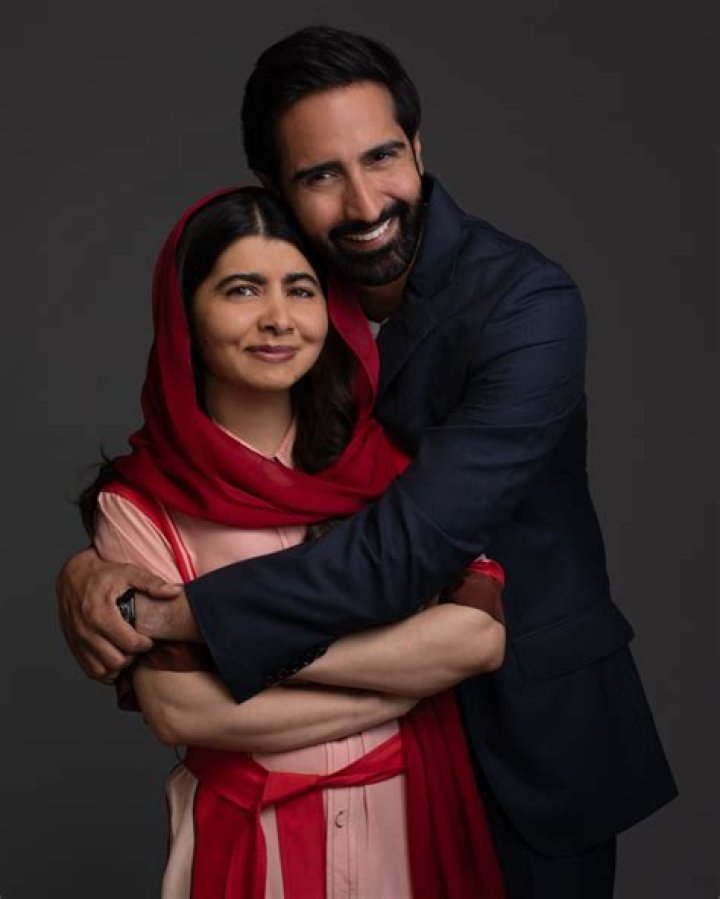
When loving him is hurting you is a situation in which an individual's romantic feelings for someone cause them emotional pain or distress.
This can be due to a variety of factors, such as unrequited love, infidelity, or an unhealthy relationship dynamic.
In some cases, loving someone can hurt because the individual has unrealistic expectations or is unable to let go of a past relationship.
It is important to recognize when loving someone is causing you pain, and to take steps to protect your own emotional well-being.
This may involve setting boundaries, communicating your needs, or seeking professional help.
If you are in a relationship that is causing you pain, it is important to remember that you are not alone.
There are many resources available to help you, and you deserve to be in a relationship that makes you happy.
When loving him is hurting you
When loving someone causes emotional pain or distress, it's crucial to understand the underlying aspects that contribute to this experience. Here are nine key aspects to consider:
- Unrequited love
- Infidelity
- Unhealthy relationship dynamics
- Unrealistic expectations
- Inability to let go of the past
- Lack of communication
- Emotional abuse
- Codependency
- Low self-esteem
These aspects can manifest in various ways. Unrequited love, for instance, can lead to feelings of rejection and inadequacy. Infidelity can shatter trust and cause deep emotional pain. Unhealthy relationship dynamics can create a cycle of conflict and unhappiness. Unrealistic expectations can set individuals up for disappointment and frustration. The inability to let go of the past can prevent individuals from moving forward and finding happiness in the present.
It's important to recognize when loving someone is causing pain and to seek help if needed. Talking to a therapist or counselor can provide support and guidance in navigating these challenging situations. Remember, you deserve to be in a relationship that makes you happy and fulfilled.
Unrequited love
Unrequited love is a common experience in which one person's romantic feelings for another are not reciprocated. This can be a painful and confusing experience, leading to feelings of rejection, inadequacy, and heartbreak.
- Idealization: In unrequited love, the object of affection is often idealized, with the person in love attributing positive qualities to them that may not exist. This can make it difficult to see the person realistically and can lead to disappointment and hurt when the relationship does not progress as hoped.
- Obsession: Unrequited love can sometimes lead to obsessive thoughts and behaviors, with the person in love constantly thinking about the object of their affection and trying to find ways to win their attention. This can be emotionally draining and can interfere with daily life.
- Self-doubt: Unrequited love can damage self-esteem, leading to feelings of inadequacy and worthlessness. The person in love may start to question their own value and attractiveness, wondering why the object of their affection does not return their feelings.
- Social isolation: In some cases, unrequited love can lead to social isolation, as the person in love may withdraw from friends and family in order to avoid talking about their feelings or seeing the object of their affection with someone else.
Unrequited love can be a difficult and painful experience, but it is important to remember that it is not a sign of failure. Many people experience unrequited love at some point in their lives. It is important to focus on self-care and to seek support from friends and family during this time.
Infidelity
Infidelity is a major cause of emotional pain and distress in romantic relationships. When one partner is unfaithful, it can shatter trust, damage self-esteem, and lead to feelings of betrayal and abandonment.
There are many reasons why people cheat, including:
- Lack of intimacy or connection in the primary relationship
- Unmet emotional or physical needs
- Boredom or a desire for excitement
- Revenge or retaliation
- Addiction or other mental health issues
Regardless of the reason, infidelity can have a devastating impact on the relationship. The betrayed partner may experience a range of emotions, including anger, sadness, confusion, and guilt. They may also struggle with trust issues and have difficulty moving on from the betrayal.
If you are struggling with infidelity in your relationship, it is important to seek professional help. A therapist can help you to understand the underlying causes of the infidelity and to develop coping mechanisms for dealing with the pain and trauma.
Unhealthy relationship dynamics
Unhealthy relationship dynamics are a major contributing factor to situations where loving someone causes emotional pain and distress. These dynamics can manifest in a variety of ways, but they all share a common characteristic: they create an imbalance of power and control in the relationship.
One common type of unhealthy relationship dynamic is codependency. In a codependent relationship, one partner relies heavily on the other for emotional and psychological support. This can create a situation where one partner feels trapped and unable to leave the relationship, even if it is causing them pain.
Another common type of unhealthy relationship dynamic is emotional abuse. Emotional abuse can take many forms, including verbal abuse, gaslighting, and isolation. It can be just as damaging as physical abuse, and it can lead to feelings of low self-esteem, anxiety, and depression.
Unhealthy relationship dynamics can have a devastating impact on both partners involved. They can lead to feelings of isolation, loneliness, and despair. They can also make it difficult for partners to trust each other and to communicate effectively.
If you are in a relationship that is causing you pain, it is important to seek help. A therapist can help you to identify the unhealthy dynamics in your relationship and to develop strategies for coping with them.
Unrealistic expectations
Unrealistic expectations can play a significant role in situations where loving someone causes emotional pain and distress. When individuals have unrealistic expectations of their partner or the relationship, they are setting themselves up for disappointment and heartbreak.
- Idealization: Unrealistic expectations often stem from idealizing the partner. Individuals may create an idealized version of their partner in their mind, attributing qualities to them that they do not possess. This can lead to disappointment and disillusionment when the partner falls short of these expectations.
- Communication: Unrealistic expectations can also arise from a lack of communication. Partners may not communicate their needs and desires clearly, leading to misunderstandings and resentment. This can create a cycle of unmet expectations and disappointment.
- Comparison: Unrealistic expectations can also be fueled by comparing the relationship to others. Individuals may compare their relationship to what they see in movies, TV shows, or social media, and believe that their relationship should be just as perfect. This can lead to feelings of inadequacy and dissatisfaction.
- Past experiences: Previous negative experiences in relationships can also contribute to unrealistic expectations. Individuals may project their past experiences onto their current relationship, expecting the same negative outcomes. This can create a self-fulfilling prophecy, leading to the relationship failing.
Unrealistic expectations can have a devastating impact on a relationship. They can lead to disappointment, resentment, and conflict. They can also make it difficult for partners to accept each other for who they truly are. If you find yourself struggling with unrealistic expectations in your relationship, it is important to seek professional help. A therapist can help you to identify and challenge your unrealistic expectations and to develop more realistic and healthy expectations for your relationship.
Inability to let go of the past
When loving someone causes emotional pain and distress, the inability to let go of the past can be a significant contributing factor. Holding on to past hurts, disappointments, and failures can make it difficult to move on and find happiness in the present.
- Unresolved trauma: Traumatic experiences in the past can create deep emotional wounds that can make it difficult to trust and love again. When someone has experienced trauma, they may be afraid of getting hurt again and may subconsciously sabotage their current relationship.
- Negative self-talk: Negative self-talk can also contribute to the inability to let go of the past. When someone constantly puts themselves down and dwells on their past mistakes, it can make it difficult for them to see the good in their current relationship and to believe that they deserve to be happy.
- Fear of change: Some people may be afraid of change and may cling to the past because it is familiar and comfortable. They may be afraid of the unknown and may worry that if they let go of the past, they will lose something important.
- Lack of forgiveness: Holding on to anger and resentment towards someone who has hurt you in the past can make it difficult to move on and find happiness. Forgiveness does not mean forgetting what happened, but it does mean letting go of the negative emotions that are associated with it.
The inability to let go of the past can have a devastating impact on a relationship. It can lead to resentment, conflict, and unhappiness. If you find yourself struggling to let go of the past, it is important to seek professional help. A therapist can help you to identify the underlying reasons why you are holding on to the past and to develop strategies for letting go.
Lack of communication
Lack of communication is a major contributor to situations where loving someone causes emotional pain and distress. When partners are unable to communicate their needs, desires, and feelings openly and honestly, it can lead to misunderstandings, resentment, and conflict.
- Unspoken expectations: When partners do not communicate their expectations, they may assume that their partner knows what they are thinking and feeling. This can lead to disappointment and resentment when expectations are not met.
- Misunderstandings: Lack of communication can also lead to misunderstandings. When partners do not communicate clearly, their words and actions may be misinterpreted. This can lead to arguments and conflict.
- Emotional distance: When partners are unable to communicate openly and honestly, it can create emotional distance between them. They may feel like they are not being heard or understood, which can lead to feelings of loneliness and isolation.
- Resentment: When partners do not communicate their needs and desires, they may start to resent their partner. They may feel like they are being taken for granted or that their needs are not being met.
Lack of communication can have a devastating impact on a relationship. It can lead to misunderstandings, resentment, conflict, and emotional distance. If you are struggling with lack of communication in your relationship, it is important to seek professional help. A therapist can help you to identify the underlying causes of the communication problems and to develop strategies for improving communication in your relationship.
Emotional abuse
Emotional abuse is a form of domestic violence that involves the use of emotional manipulation and intimidation to control and dominate a partner. It can take many forms, including verbal abuse, gaslighting, and isolation. Emotional abuse can have a devastating impact on the victim's mental and emotional health, and it can make it difficult for them to leave the relationship.
Emotional abuse is often a component of relationships where loving someone causes emotional pain and distress. The abuser may use emotional manipulation to control the victim's thoughts, feelings, and behavior. They may make the victim feel worthless, guilty, or ashamed. They may also isolate the victim from their friends and family, making it difficult for them to get help.
The effects of emotional abuse can be long-lasting. Victims may experience anxiety, depression, and post-traumatic stress disorder (PTSD). They may also have difficulty trusting others and forming healthy relationships.
If you are in a relationship where you are being emotionally abused, it is important to seek help. You can call the National Domestic Violence Hotline at 1-800-799-SAFE (7233) or visit their website at
Codependency
Codependency is a dysfunctional relationship dynamic in which one person (the codependent) sacrifices their own well-being to meet the needs of another person (the dependent). Codependency often develops in relationships where one person is struggling with addiction, mental illness, or other personal problems. However, codependency can also develop in romantic relationships, even if the other person is not struggling with any specific issues.
In the context of romantic relationships, codependency can lead to a situation where loving someone causes emotional pain and distress. This is because the codependent person's own needs are not being met. They may feel like they are constantly sacrificing their own happiness for the sake of the relationship. They may also feel like they are not able to leave the relationship, even if it is causing them pain, because they are afraid of what will happen to the other person.
Codependency can have a devastating impact on both the codependent person and the dependent person. The codependent person may experience anxiety, depression, and other mental health problems. They may also have difficulty forming healthy relationships with others. The dependent person may become increasingly reliant on the codependent person and may not develop the skills they need to live independently.
If you are in a relationship where you are codependent, it is important to seek professional help. A therapist can help you to understand the dynamics of codependency and to develop strategies for breaking free from this unhealthy pattern.
Low self-esteem
Low self-esteem is a common contributing factor to situations where loving someone causes emotional pain and distress. When someone has low self-esteem, they may feel unworthy of love and affection. They may also be more likely to tolerate unhealthy or abusive behavior from their partner, as they may believe that they do not deserve better.
- Self-sabotage: People with low self-esteem may engage in self-sabotaging behaviors that damage their relationships. For example, they may pick fights with their partner or push them away in order to confirm their negative beliefs about themselves.
- Negative self-talk: People with low self-esteem often engage in negative self-talk, which can reinforce their negative beliefs about themselves. This negative self-talk can make it difficult for them to see the good in themselves and in their relationship.
- Fear of abandonment: People with low self-esteem may have a fear of abandonment, which can lead them to cling to unhealthy relationships. They may be afraid that if they leave their partner, they will not be able to find someone else who will love them.
- Codependency: People with low self-esteem may be more likely to develop codependent relationships. In a codependent relationship, one person sacrifices their own needs to meet the needs of their partner. This can lead to a situation where the person with low self-esteem feels like they are not getting their own needs met, which can cause emotional pain and distress.
Low self-esteem can have a devastating impact on a person's life, including their romantic relationships. If you are struggling with low self-esteem, it is important to seek professional help. A therapist can help you to identify the root of your low self-esteem and to develop strategies for building a stronger sense of self-worth.
FAQs on "When Loving Him is Hurting You"
The experience of loving someone who causes emotional pain can be confusing and distressing. These FAQs aim to provide information and guidance on common concerns and misconceptions surrounding this topic.
Question 1: Is it possible to love someone who hurts you?
Yes, it is possible to love someone who causes you emotional pain. Love is a complex emotion that can coexist with other emotions, including anger, sadness, and frustration. It is important to recognize that loving someone does not justify or excuse hurtful behavior.
Question 2: Why do I stay in a relationship that is causing me pain?
There are many reasons why someone might stay in a relationship that is causing them pain. These reasons can include fear of loneliness, financial dependence, or a belief that the relationship can be fixed. It is important to remember that you deserve to be in a healthy and fulfilling relationship.
Question 3: How can I tell if my relationship is unhealthy?
There are several signs that may indicate an unhealthy relationship, including: frequent arguments, lack of trust, emotional abuse, and physical violence. If you are concerned about the health of your relationship, it is important to seek professional help.
Question 4: What should I do if I am in an unhealthy relationship?
If you are in an unhealthy relationship, it is important to take steps to protect your own well-being. This may involve setting boundaries, communicating your needs, or seeking professional help. In some cases, it may be necessary to end the relationship.
Question 5: How can I move on from a hurtful relationship?
Moving on from a hurtful relationship can be a challenging process. It is important to allow yourself time to grieve the loss of the relationship and to focus on self-care. Seeking professional help can also be beneficial in the healing process.
Summary: Understanding the complexities of loving someone who causes emotional pain can help you make informed decisions about your own well-being. Remember that you deserve to be in a healthy and fulfilling relationship. If you are struggling with an unhealthy relationship, there is help available.
Transition to the next article section: Understanding the causes and effects of loving someone who hurts you is crucial for navigating this challenging experience. In the next section, we will delve deeper into the specific factors that contribute to this situation.
Tips for When Loving Him is Hurting You
Navigating the complexities of loving someone who causes emotional pain can be an arduous journey. These tips aim to provide guidance and support in coping with this challenging experience.
Tip 1: Recognize the Signs of an Unhealthy Relationship
Identify the indicators of an unhealthy relationship, such as frequent arguments, lack of trust, emotional abuse, and physical violence. Acknowledging these red flags is crucial for protecting your well-being.
Tip 2: Set Boundaries to Protect Yourself
Establish clear boundaries to safeguard your emotional and physical health. Communicate your limits and expectations to your partner, and enforce consequences if those boundaries are violated.
Tip 3: Prioritize Self-Care
Make self-care a non-negotiable aspect of your life. Engage in activities that bring you joy and fulfillment, and surround yourself with supportive individuals who uplift and empower you.
Tip 4: Communicate Your Needs Effectively
Openly and honestly communicate your emotional needs to your partner. Express your feelings, desires, and expectations in a clear and respectful manner. Active listening and empathy are essential for fostering a healthy dialogue.
Tip 5: Seek Professional Help if Needed
Do not hesitate to seek professional help from a therapist or counselor. They can provide an objective perspective, help you understand the dynamics of your relationship, and develop coping mechanisms for emotional distress.
Tip 6: Evaluate the Relationship Regularly
Periodically assess the state of your relationship. Identify areas of growth and improvement, as well as any persistent issues that may require further attention or intervention.
Tip 7: Empower Yourself with Knowledge
Educate yourself about healthy relationships, emotional abuse, and codependency. Knowledge is power, and it can equip you with a deeper understanding of your situation and the resources available to you.
Tip 8: Choose Yourself
Ultimately, your well-being should be your top priority. If the relationship consistently causes you more pain than happiness, it may be necessary to make the difficult decision to end it. Remember that you deserve to be loved and respected.
Summary: Implementing these tips can empower you to navigate the challenges of loving someone who hurts you. Prioritizing self-care, setting boundaries, and seeking professional help are vital steps towards protecting your emotional health and well-being.
Transition to the article's conclusion: Remember that you are not alone in this journey. Many individuals have successfully overcome similar experiences and emerged stronger and more resilient. With courage, self-compassion, and a commitment to your own happiness, you can find healing and growth amidst the pain.
Conclusion
Navigating the complexities of loving someone who causes emotional pain is a challenging journey that requires self-awareness, resilience, and a commitment to personal well-being. Understanding the dynamics of unhealthy relationships, setting boundaries, and prioritizing self-care are crucial steps towards breaking the cycle of hurt.
Remember, you are not alone in this experience. Seeking professional help, educating yourself about healthy relationships, and surrounding yourself with supportive individuals can empower you to make informed decisions and prioritize your own happiness. The decision to stay or leave an unhealthy relationship is deeply personal, but it is essential to choose the path that aligns with your values and long-term well-being.
Unveil The Secrets: Good Morning Texts For A Husband That Will Ignite Love
Unveiling The Secrets Of Modern Entry Gates: A Guide To Enhanced Security, Convenience, And Curb Appeal
4-Year Anniversary Quotes: Unveil Enduring Love And Appreciation